
Preventing Common Concrete Problems in Commercial Buildings
Concrete is one of the most durable materials used in commercial construction. However, even well-installed concrete will degrade over time. Weather exposure, heavy traffic, and poor drainage all contribute to damage.
For business owners, recognizing early warning signs is critical. Addressing issues early helps prevent costly repairs and business disruptions.
Here are the most common commercial concrete problems to watch for, and how to prevent concrete damage and protect your investment.
Cracking
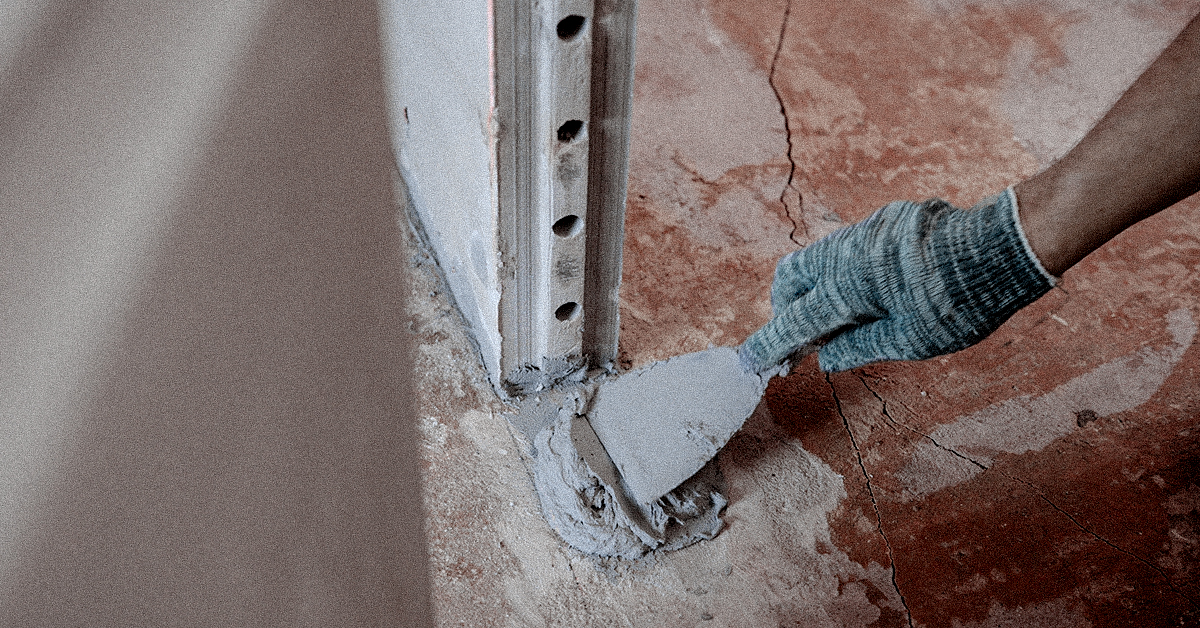
Cracks are one of the most visible concrete issues in commercial buildings. Some cracks are cosmetic. Others signal structural concerns. Common concrete cracking causes include freeze-thaw cycles, improper curing, soil movement, and heavy loads.
Warning signs include widening cracks, uneven edges, or cracks that continue to spread. If left untreated, moisture can penetrate the surface and weaken the slab. Professional evaluation is essential when cracking worsens or appears suddenly.
Spalling
Spalling occurs when the concrete surface flakes, chips, or peels away. This often results from water intrusion, corrosion of reinforcing steel, or exposure to deicing chemicals. Spalling creates trip hazards and exposes deeper layers of concrete to damage.
Early signs include small pits or rough patches on the surface. Once spalling begins, make repairs quickly to prevent further damage.
Scaling
Scaling is the gradual loss of the concrete’s top layer. It is common in exterior slabs, sidewalks, and loading docks. Harsh Illinois winters make scaling more likely, especially when concrete is exposed to salt and moisture.
If the surface appears powdery or uneven, scaling may be occurring. Ignoring it can lead to faster wear and reduced lifespan.
Settling
Concrete settling happens when the soil beneath a slab shifts or erodes. This can cause uneven surfaces, pooling water, and structural stress. Settling is often linked to poor soil compaction or drainage issues.
Signs include sunken areas, tilted slabs, or gaps between concrete and adjacent structures. These conditions pose safety risks and should be addressed quickly.
Drainage Issues
Poor drainage is a major contributor to commercial concrete problems. Standing water increases the risk of cracking, spalling, and freeze-thaw damage. It can also weaken the subbase over time.
If water consistently pools near your building or concrete surfaces slope incorrectly, drainage corrections are needed to protect the structure.
Surface Deterioration
High traffic, heavy equipment, and environmental exposure can cause surface wear. Fading, abrasion, and rough textures are common indicators. While these may seem minor, they often precede deeper structural issues.
Routine inspections help identify surface deterioration before it escalates.
How to Prevent Concrete Damage
Preventative care extends the life of commercial concrete. Regular inspections are key. Address minor issues before they grow. Seal surfaces to reduce moisture penetration. Maintain proper drainage around the property.
Following professional concrete maintenance tips also includes avoiding harsh chemicals, repairing cracks early, and scheduling routine evaluations by qualified contractors.
Partnering With the Right Contractor
When signs of damage appear, professional repair is essential. Experienced contractors understand local conditions and long-term performance needs. Illinois commercial concrete repair requires knowledge of freeze-thaw cycles, soil conditions, and code requirements.
ConcreteIL connects businesses with trusted contractors who specialize in commercial concrete repair. From assessment to restoration, our network focuses on durability, safety, and long-term value. With the right approach, businesses can protect their concrete assets and set their properties up for success for years to come.